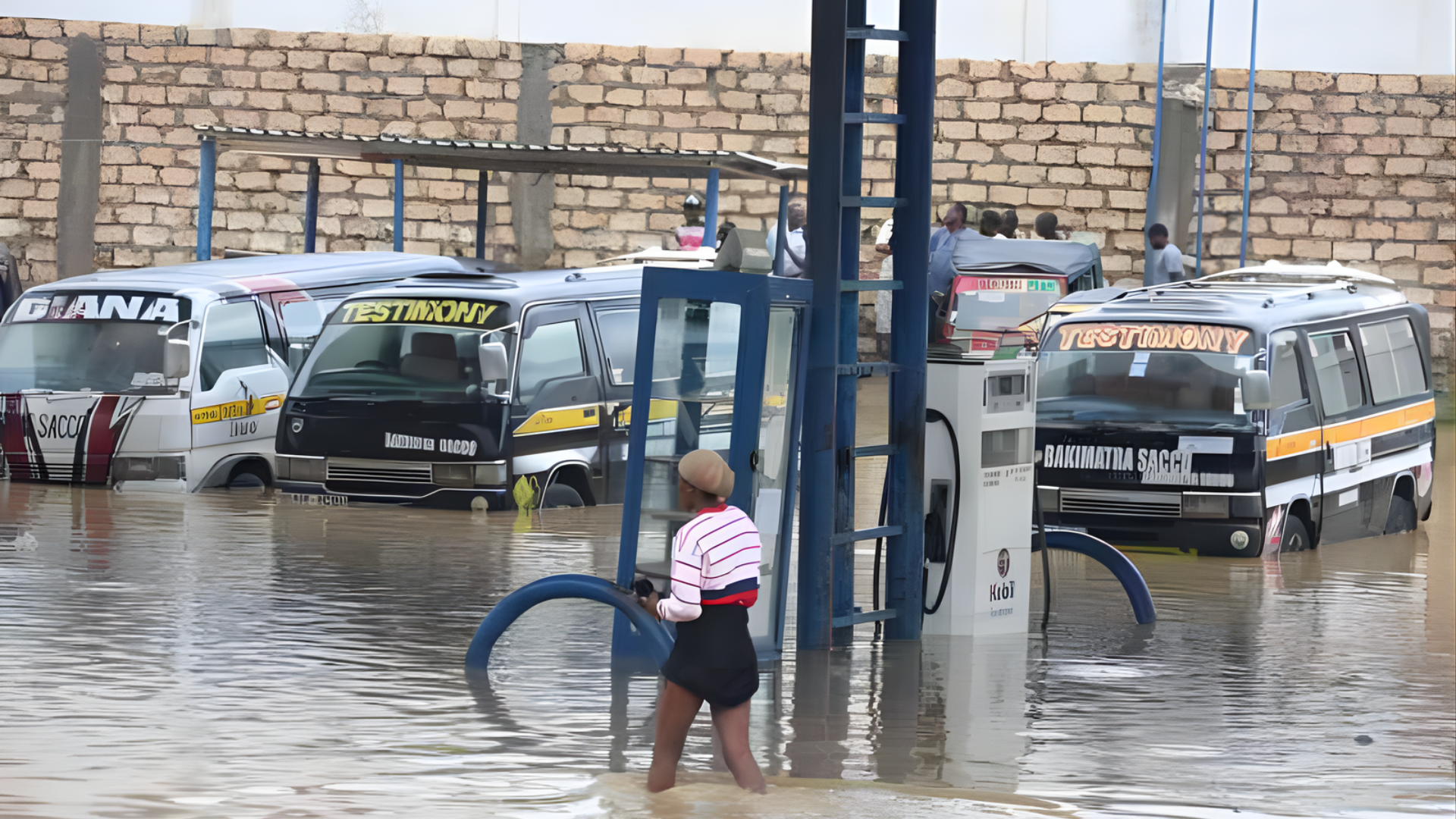
The Energy and Petroleum Regulatory Authority has directed all petrol stations affected by flooding to temporarily cease operations until inspections confirm that their facilities remain safe and uncontaminated.
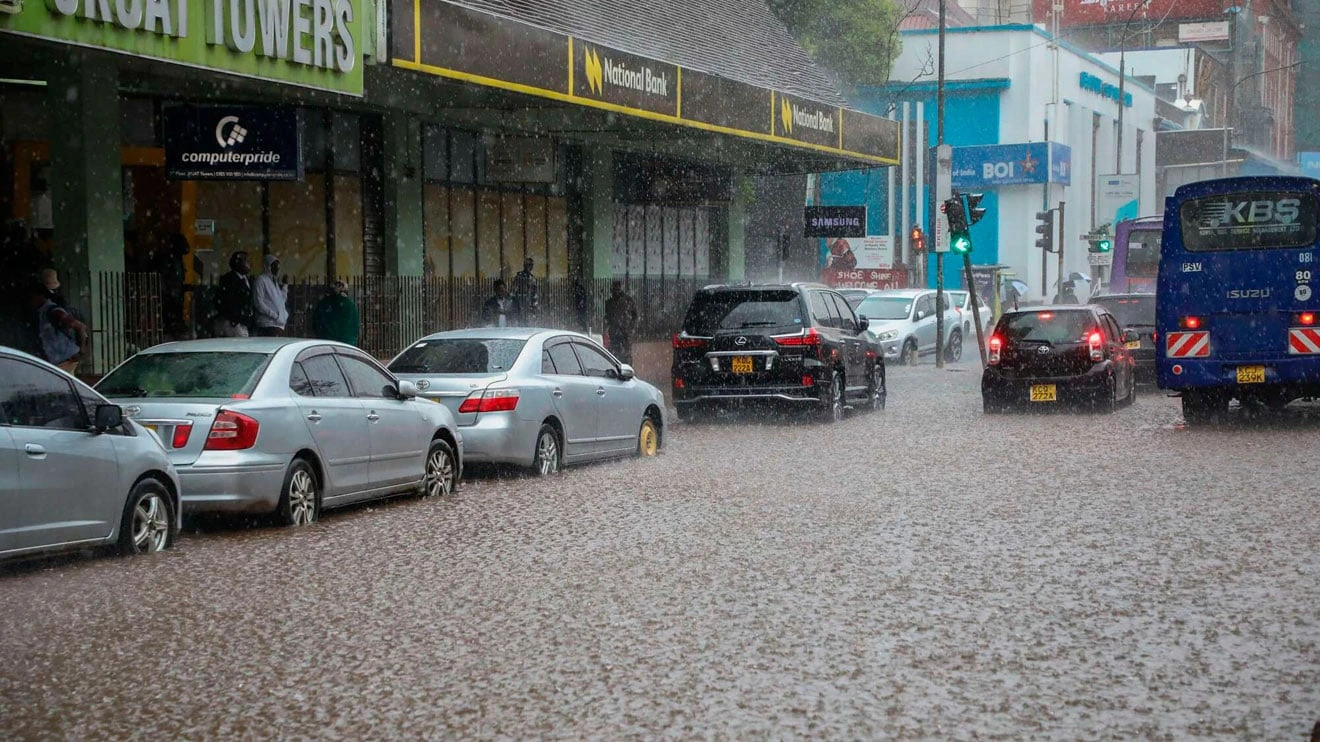
The directive, issued on March 5, 2026, follows widespread flooding in Nairobi, Kisumu, Mombasa, Nakuru and several other counties where heavy rains have submerged forecourts, access roads and, in some cases, fuel-storage areas. EPRA Acting Director-General Daniel Kiptoo explained that the measure is purely precautionary and aims to protect fuel quality and prevent damage to vehicles.
“Floodwater can seep into underground storage tanks through damaged seals, manhole covers or poorly constructed containment bunds,” Kiptoo said. “Once contaminated, the fuel becomes acidic, forms emulsions with water and can cause severe engine damage—clogged filters, corroded injectors, seized pumps. We cannot allow motorists to buy potentially harmful fuel. Stations in flood-prone or flooded zones must close until we are satisfied they are safe.”
The authority has instructed county petroleum officers and licensed inspectors to visit affected sites immediately. Inspections will focus on:
- Water ingress into storage tanks (using dip tapes, water-finding paste and visual checks)
- Integrity of tank lids, fill pipes and venting systems
- Presence of water or sediment in fuel samples
- Electrical safety of pumps and dispensers exposed to water
- Structural stability of forecourt canopies and signage
Stations that pass inspection will be issued a clearance certificate and allowed to reopen. Those that fail must drain and clean tanks, replace contaminated fuel, repair any damage and retest before resuming sales. EPRA warned that operating without clearance will attract heavy fines, licence suspension or revocation.
The shutdown has already affected dozens of stations in Nairobi’s low-lying areas—Industrial Area, Embakasi, South C, Pipeline, Mlolongo, Ruai, Kangundo Road—and in parts of Mombasa Island, Kisumu town and Nakuru’s Lakeview and Kiamunyi zones. Motorists in these areas are reporting long queues at unaffected stations and higher pump prices due to supply constraints.
One station owner in Embakasi whose facility was ordered closed said: “The forecourt was underwater for two days. EPRA inspectors came yesterday, dipped the tanks and found water in the diesel compartment. We have to drain everything, dispose of the contaminated fuel and clean the system. It will cost us hundreds of thousands and we lose business every day we are shut. But I understand—nobody wants to sell bad fuel and destroy customers’ engines.”
The Kenya Petroleum Association and the Oil Marketing Companies Association of Kenya have supported the decision, describing it as responsible and necessary. “Public safety and fuel quality must come first,” a KPA spokesperson said. “We are working with EPRA to fast-track inspections so compliant stations can reopen quickly and supply is restored.”
The authority has also urged motorists to buy fuel only from stations displaying a valid EPRA clearance certificate and to report any suspected contaminated fuel immediately. “If your vehicle develops engine knocking, loss of power, white smoke or stalling shortly after refuelling, do not assume it is a coincidence,” Kiptoo advised. “Report to EPRA or the nearest police station so we can trace the source and protect other drivers.”
The shutdown coincides with the ongoing heavy rains forecast to persist through mid-March. EPRA has warned that additional stations could be affected if flooding worsens, particularly in peri-urban areas where drainage infrastructure is inadequate.
The regulator has promised to publish a daily list of inspected and cleared stations on its website and social media channels to help motorists locate safe refuelling points. It has also appealed to petrol-station operators in flood-prone areas to proactively elevate tank vents, seal manhole covers and install sump pumps as a long-term mitigation measure.
The temporary closures are expected to last from a few days to several weeks depending on the severity of flooding and the speed of inspection and remediation. EPRA has committed to prioritising high-traffic stations and those serving emergency services to minimise disruption.
As Kenya experiences one of the wettest seasons in recent years, the directive underscores the vulnerability of critical fuel-supply infrastructure to climate-related flooding and the importance of proactive safety measures in the downstream petroleum sector.