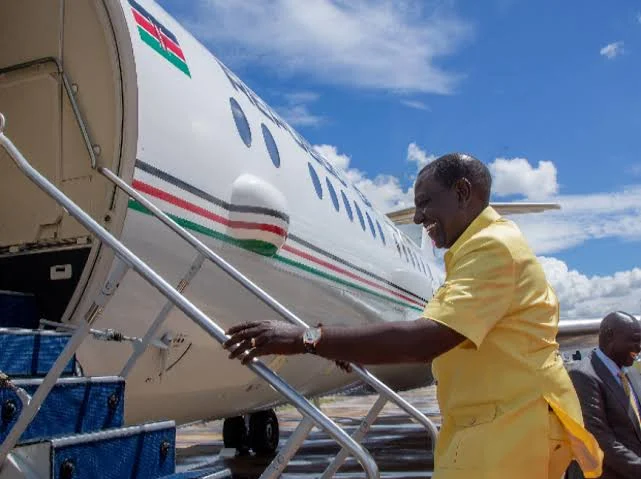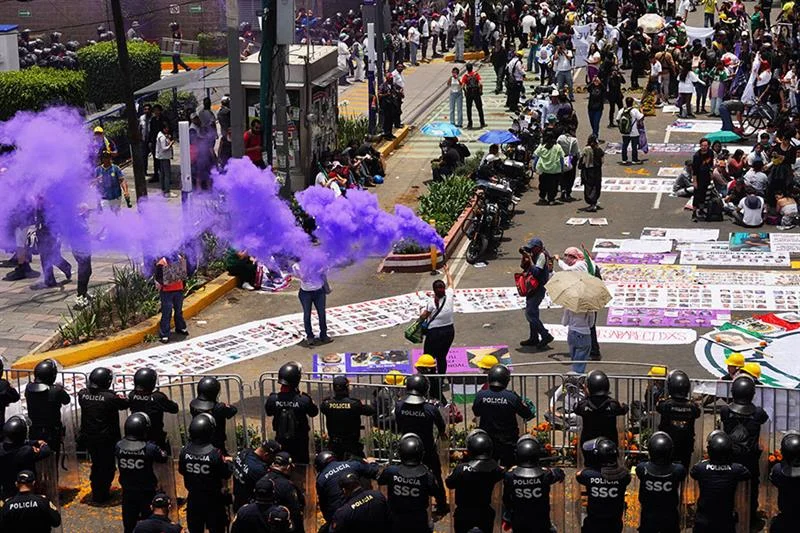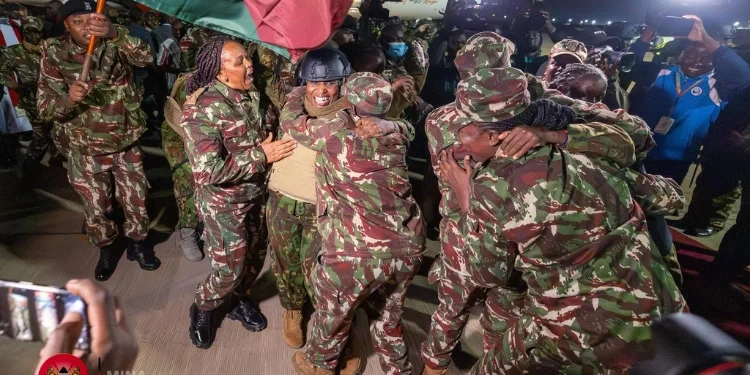
The story of the Kenyan police mission in Haiti, which began with "The Pride of Africa" touching down in Port-au-Prince in June 2024, is nearing a dramatic conclusion. As of April 2026, the mission is in a state of flux. While many Kenyan officers have returned home to heroes' welcomes at JKIA, the transition has revealed a surprising reality: a population that once viewed foreign boots with deep suspicion is now pleading with them not to leave.
The Evolution of Public Sentiment
When the first contingent of 400 officers arrived in 2024, the atmosphere in Haiti was thick with "wary caution." Haunted by the failures of past UN missions—which were marred by a devastating cholera outbreak and allegations of abuse—many Haitians were understandably cynical.
June 2024 (The Arrival): Residents were divided. Some cheered, shouting, "Oh Jesus Lord! They're here!" while others, like local barbers and vendors, remained conflicted, fearing that foreign intervention would only lead to more injustice.
April 2026 (The Departure): Fast forward to today, and the sentiment has shifted toward anxiety over a security vacuum. As the Kenyan-led Multinational Security Support (MSS) mission transitions into the UN-backed Gang Suppression Force (GSF), reports have emerged of Haitian civilians attempting to block the departure of Kenyan units. In towns like Pont-Sondé, residents have expressed a desperate fear that the withdrawal of Kenyan "boots on the ground" will allow the Viv Ansanm gang coalition to reclaim territory that the police had fought hard to stabilize.
April 2026 (The Departure): Fast forward to today, and the sentiment has shifted toward anxiety over a security vacuum. As the Kenyan-led Multinational Security Support (MSS) mission transitions into the UN-backed Gang Suppression Force (GSF), reports have emerged of Haitian civilians attempting to block the departure of Kenyan units. In towns like Pont-Sondé, residents have expressed a desperate fear that the withdrawal of Kenyan "boots on the ground" will allow the Viv Ansanm gang coalition to reclaim territory that the police had fought hard to stabilize.
Successes and Shadows
The mission's legacy is a mosaic of tactical victories and brewing controversies. On one hand, the Kenyan police are credited with:
Reclaiming Critical Infrastructure: Reopening the main international airport and securing key maritime ports.
Humanitarian Access: Enabling the flow of food and medical supplies to neighborhoods that had been cut off for months.
Reclaiming Critical Infrastructure: Reopening the main international airport and securing key maritime ports.
Humanitarian Access: Enabling the flow of food and medical supplies to neighborhoods that had been cut off for months.
On the other hand, the withdrawal comes under a cloud of serious allegations. Reports from the UN Secretary-General have cited four allegations of sexual violation, including those involving minors, by personnel within the mission. While the Kenyan government, through Prime Cabinet Secretary Musalia Mudavadi, has officially taken "great exception" to these reports, the shadow of these claims adds a layer of complexity to the mission’s final chapter.
As Kenya completes its planned withdrawal this month, a new African partner is taking the lead. Chad has announced the deployment of 1,500 troops to Haiti for a 12-month mission starting in April 2026.
Initial Deployment: The first contingent of 400 Chadian soldiers has already touched down.
The Mission: Tasked specifically with territory reclamation and supporting the Haitian National Police, the Chadian forces are inheriting a country that is still "dangerously close to collapse," with gangs still controlling an estimated 85% of the capital.
As Kenya completes its planned withdrawal this month, a new African partner is taking the lead. Chad has announced the deployment of 1,500 troops to Haiti for a 12-month mission starting in April 2026.
Initial Deployment: The first contingent of 400 Chadian soldiers has already touched down.
The Mission: Tasked specifically with territory reclamation and supporting the Haitian National Police, the Chadian forces are inheriting a country that is still "dangerously close to collapse," with gangs still controlling an estimated 85% of the capital.
For the people of Port-au-Prince, the Kenyan police represented a "necessary shield." While the mission was far from perfect and faces a difficult legal post-mortem regarding personnel conduct, the sight of Haitian civilians pleading for the officers to stay suggests that, for a moment, the mission succeeded in its most basic goal: providing a glimmer of hope in a land ravaged by lawlessness. As the Chadian battalions take their positions, the world watches to see if this fragile stability can hold long enough for Haiti to finally hold its long-delayed national elections.