As Kenyans prepare to hit the streets over record-high fuel prices, a top government official is asking them to point their anger toward a different map: the Middle East.
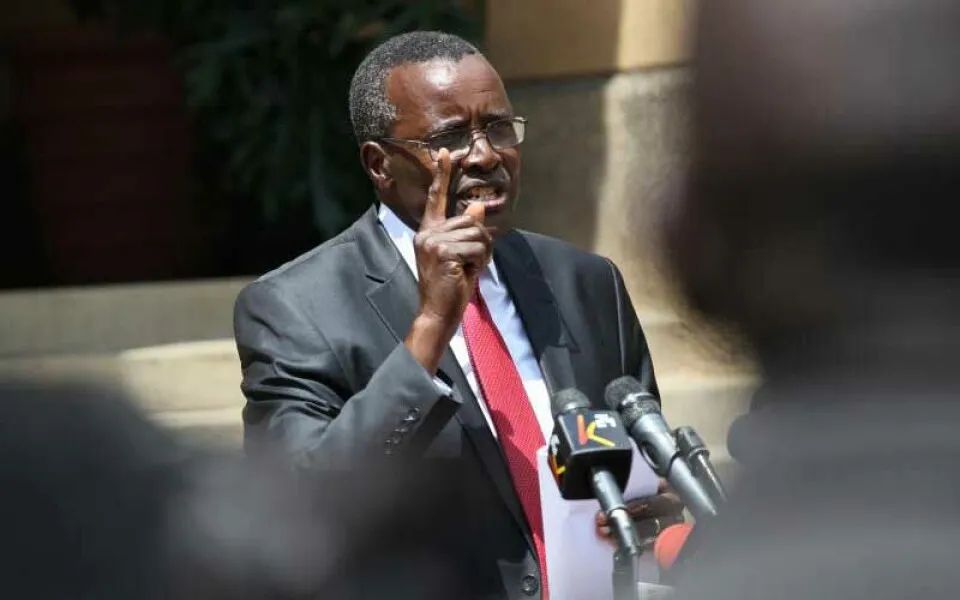
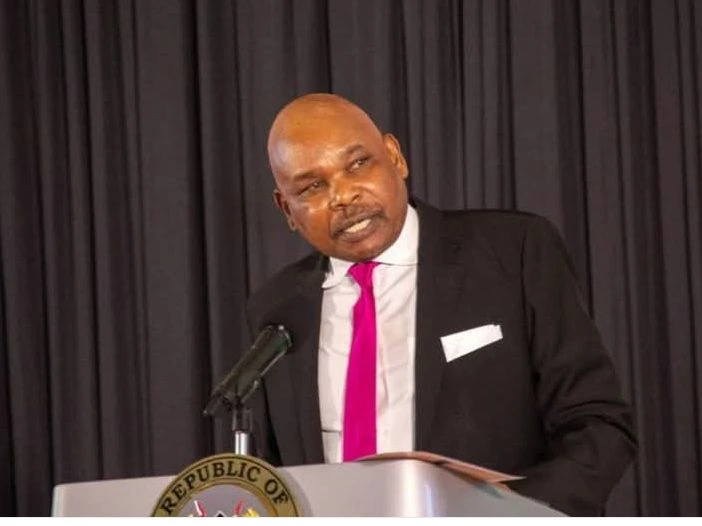
Makau Mutua, President William Ruto’s Senior Advisor on Constitutional Affairs, has sparked a heated debate by suggesting that local protests are misplaced. According to Mutua, the real reason Kenyans are feeling the pinch isn’t because of government policy, but because of tensions surrounding the Strait of Hormuz.
The Global "Chokepoint" Argument
The Strait of Hormuz is a narrow waterway between Oman and Iran. It is the world’s most important oil artery, with nearly a fifth of global oil passing through it daily. Mutua argues that global price spikes—driven by instability in this region—are the primary cause of the pain at Kenyan petrol stations.
"Focus on the closure of the Strait of Hormuz," Mutua told those planning demonstrations, effectively framing the crisis as a global issue beyond Nairobi's control.
Makau Mutua, President William Ruto’s Senior Advisor on Constitutional Affairs, has sparked a heated debate by suggesting that local protests are misplaced. According to Mutua, the real reason Kenyans are feeling the pinch isn’t because of government policy, but because of tensions surrounding the Strait of Hormuz.
The Global "Chokepoint" Argument
The Strait of Hormuz is a narrow waterway between Oman and Iran. It is the world’s most important oil artery, with nearly a fifth of global oil passing through it daily. Mutua argues that global price spikes—driven by instability in this region—are the primary cause of the pain at Kenyan petrol stations.
"Focus on the closure of the Strait of Hormuz," Mutua told those planning demonstrations, effectively framing the crisis as a global issue beyond Nairobi's control.
Why This Matters
By shifting the focus to international logistics, the government is making a clear case:
- External Factors: They want the public to see the fuel crisis as an "import" rather than a result of local taxes or the removal of subsidies.
- Geopolitics vs. Policy: It’s an attempt to cool down domestic tensions by explaining the complex "domino effect" of global trade.
A Hard Sell for Citizens?
While Mutua’s geography lesson is factually grounded—global oil prices do react to Middle Eastern tension—it may not satisfy those struggling to pay for their daily commute. For many, the "Hormuz Defense" feels like a distant excuse for a very local problem.
As the protest dates approach, the government's strategy is clear: convince the public that the enemy isn't the State House, but a shipping lane thousands of miles away.
As Kenyans prepare to hit the streets over record-high fuel prices, a top government official is asking them to point their anger toward a different map: the Middle East.
Makau Mutua, President William Ruto’s Senior Advisor on Constitutional Affairs, has sparked a heated debate by suggesting that local protests are misplaced. According to Mutua, the real reason Kenyans are feeling the pinch isn’t because of government policy, but because of tensions surrounding the Strait of Hormuz.
The Global "Chokepoint" Argument
The Strait of Hormuz is a narrow waterway between Oman and Iran. It is the world’s most important oil artery, with nearly a fifth of global oil passing through it daily. Mutua argues that global price spikes—driven by instability in this region—are the primary cause of the pain at Kenyan petrol stations.
"Focus on the closure of the Strait of Hormuz," Mutua told those planning demonstrations, effectively framing the crisis as a global issue beyond Nairobi's control.
As Kenyans prepare to hit the streets over record-high fuel prices, a top government official is asking them to point their anger toward a different map: the Middle East.
Makau Mutua, President William Ruto’s Senior Advisor on Constitutional Affairs, has sparked a heated debate by suggesting that local protests are misplaced. According to Mutua, the real reason Kenyans are feeling the pinch isn’t because of government policy, but because of tensions surrounding the Strait of Hormuz.
The Global "Chokepoint" Argument
The Strait of Hormuz is a narrow waterway between Oman and Iran. It is the world’s most important oil artery, with nearly a fifth of global oil passing through it daily. Mutua argues that global price spikes—driven by instability in this region—are the primary cause of the pain at Kenyan petrol stations.
"Focus on the closure of the Strait of Hormuz," Mutua told those planning demonstrations, effectively framing the crisis as a global issue beyond Nairobi's control.
Why This Matters
By shifting the focus to international logistics, the government is making a clear case:
- External Factors: They want the public to see the fuel crisis as an "import" rather than a result of local taxes or the removal of subsidies.
- Geopolitics vs. Policy: It’s an attempt to cool down domestic tensions by explaining the complex "domino effect" of global trade.
A Hard Sell for Citizens?
While Mutua’s geography lesson is factually grounded—global oil prices do react to Middle Eastern tension—it may not satisfy those struggling to pay for their daily commute. For many, the "Hormuz Defense" feels like a distant excuse for a very local problem.
As the protest dates approach, the government's strategy is clear: convince the public that the enemy isn't the State House, but a shipping lane thousands of miles away.